XRP ETFs See First Outflows in Months: A Shift in Capital Allocation or Temporary Pause?
The break in XRP ETF inflow streak suggests a potential rotation of institutional capital back to market leaders.
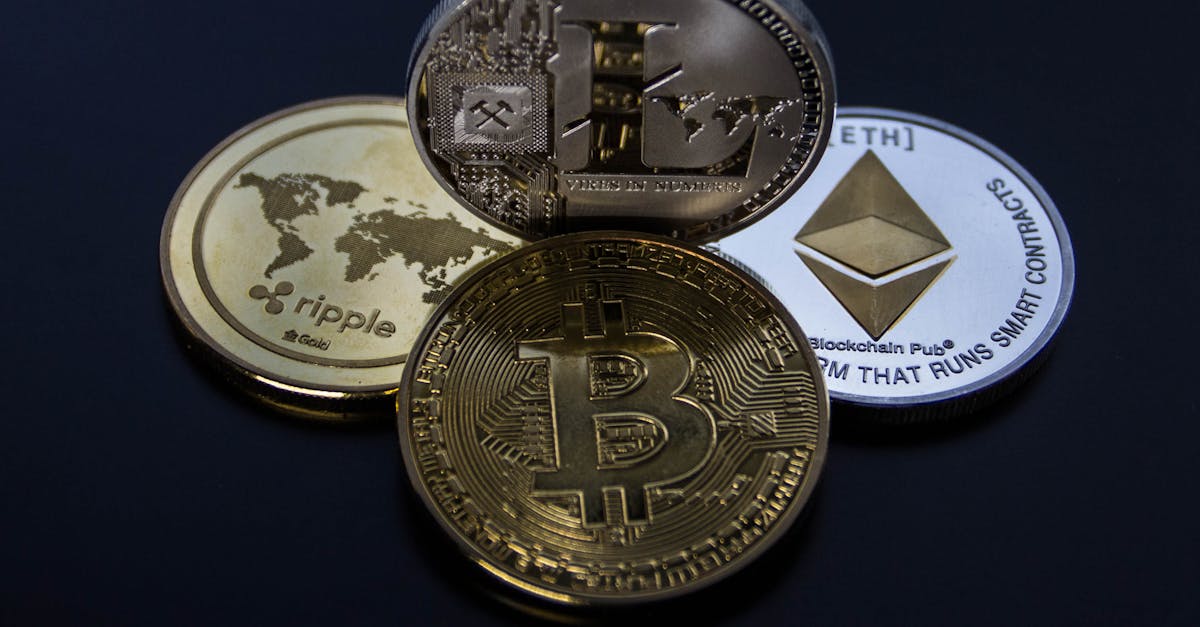
Photo by Worldspectrum on Pexels
Executive summary
XRP exchange-traded products (ETPs) have recorded their first week of net outflows in over two months, according to CryptoPotato, citing SoSoValue data. This marks an end to a nine-week streak of consistent inflows, during which total net inflows for XRP ETPs had grown from under $1.29 billion to a new all-time high of $1.49 billion as of July 2. The recent shift saw a net outflow of $7.29 million on July 8, although a minor inflow of $107.38K was observed on July 12, contributing to an overall net outflow for the week.
This trend reversal for XRP ETPs coincides with a renewed interest in market leaders. Bitcoin ETFs recorded net inflows of +$124 million over the past seven days, with +$90 million on the latest reported day, while Ethereum ETFs saw +$128 million in net inflows over the same period, with +$18 million on the latest day. This marks the first significant green week for BTC and ETH ETFs in two months, suggesting a rotation of investor attention and capital.
In response to these developments, XRP's price has experienced a decline. Current data shows XRP trading at $1.09, reflecting a -1.0% change over the last 24 hours and a -5.9% decline over the past seven days. Earlier in the week, XRP challenged the $1.15 resistance level but was rejected, subsequently pushing its price below $1.10 before a slight rebound.
Why it matters
This event primarily impacts capital flows and institutional behavior within the crypto ETP market. The cessation of XRP ETF inflows and the subsequent net outflow, however minor in absolute terms, represents a shift in institutional sentiment. For nine consecutive weeks, XRP ETPs demonstrated sustained demand, yet XRP's price failed to capitalize on these inflows with substantial gains. This suggests that while there was ETP-driven buying, underlying spot demand or broader market catalysts were insufficient to push XRP significantly higher. The recent outflow, therefore, indicates a potential exhaustion of this ETP-driven demand.
The concurrent resurgence of inflows into Bitcoin and Ethereum ETFs suggests a re-allocation of capital. Institutional investors may be rotating funds from altcoin-specific products, such as XRP ETPs, back into more established assets, perceiving them as safer or offering better risk-adjusted returns in the current market environment. This could be interpreted as a 'flight to quality' or a strategic re-balancing of portfolios, favoring the market's foundational assets. This shift has a real economic impact as capital moves between different ETP vehicles, affecting liquidity and price dynamics for the underlying assets.
The market structure reaction is notable: while XRP ETPs saw outflows, the overall crypto ETP market, particularly for BTC and ETH, demonstrated renewed strength. This indicates that the institutional appetite for crypto exposure remains, but the preference has shifted. The primary beneficiaries of this shift are currently Bitcoin and Ethereum, as they attract fresh capital. For XRP, this trend break signals a potential period of reduced institutional buying pressure, which could lead to continued sideways price action or minor downward pressure if outflows persist and trading volume remains subdued, especially around the $1.00 support level.
What to watch — next 72 hours
Tick off what you've already checked — saved on this device.
Bottom line
The most likely outcome is that XRP experiences neutral to slightly bearish price action, with a 55% probability, as institutional capital rotates away from XRP ETFs towards Bitcoin and Ethereum ETPs. The biggest risk to this view is a sudden and sustained increase in XRP ETF outflows, which could accelerate downward price pressure. Investors should closely watch XRP ETF flow data and XRP's trading volume around the $1.00 support level for confirmation of trend direction.
Tagged
Verified coin links
Matched to the highest-ranked CoinGecko listing — always double-check the contract address before trading; impostor tokens reuse real names.
Evidence & Sources
How we reached this analysis — traceable to verifiable data, not model guesswork.
- Primary source
- CryptoPotato
- Verified data
- Historical moves checked against real Coinbase price data (2 events).
- Track record
- Graded against the real market move when we still published forecasts. We stopped — see how we work now. .
- AI confidence
- 75/100 — an estimate, not a guarantee.
- Published
- Jul 13, 2026 · accuracy last checked Jul 20, 2026
For information and analysis only — not financial advice. We are an analysis platform, not a broker, financial adviser, or seller of any asset, and we never tell you to buy or sell. Our scenario probabilities are editorial estimates developed through a combination of data analysis, automated research tools, source verification, and human editorial oversight. They may be incorrect and are not investment recommendations. Crypto is high-risk and you can lose everything — always conduct your own research before making financial decisions.
More analysis
Related analysis

Crypto Market Rallies: What Drove Broad Gains and Layer2 Outperformance?
The broader cryptocurrency market experienced a notable rally, with Bitcoin briefly touching $80,000 and Ethereum surpassing $2,500. Layer2 protocols led the gains, reportedly influenced by potential US Treasury General Account bond purchases and expanded economic sanctions.

Ethereum's Recent Price Surge and Its Underlying Fundamentals
Ethereum experienced a notable +20% daily price jump, outperforming most top 100 cryptocurrencies. This event, driven by catalysts like the White House Crypto Summit and potential ETF inflows, has led to a discussion about whether this marks a return to form for ETH, given its strong underlying fundamentals.

XRP's Recent Surge and Broader Altcoin Market Dynamics
XRP recently saw a substantial price increase, soaring over 65% and surpassing BNB in market capitalization, as a broader altcoin rally took hold. This occurred alongside Bitcoin's recovery from a dip, with the total crypto market cap adding significant value.

Bitcoin Rally Pushes Price Towards $80,000 Amid Broader Market Gains
Bitcoin is nearing $80,000 after a three-day rally, with Ethereum also showing strong performance. This surge appears driven by a mix of political developments, Treasury actions, ETF inflows, and short covering.

What Does Trump's Hyperliquid Comment Mean for US Crypto Derivatives?
Former President Trump stated that the CFTC is working to bring Hyperliquid, an offshore perpetual futures platform, into the US in a compliant manner. This comment, made during a meeting with crypto industry leaders, sparked significant market reaction, including price surges for related tokens and substantial short liquidations.

Bitcoin Breaks $70K as Crypto Market Cap Swells
Bitcoin surged past the $70,000 mark, reaching a two-month high. This rally propelled the total cryptocurrency market capitalization by over $200 billion in less than 24 hours, with major altcoins like Ethereum and HYPE also experiencing significant gains.