US-Iran Peace Deal Claims: Will a Hormuz Reopening Trigger a Crypto Liquidity Surge?
Trump's Sunday signing timeline faces Iranian pushback, but the macro implications of a resolved blockade could reverse weeks of ETF outflows.
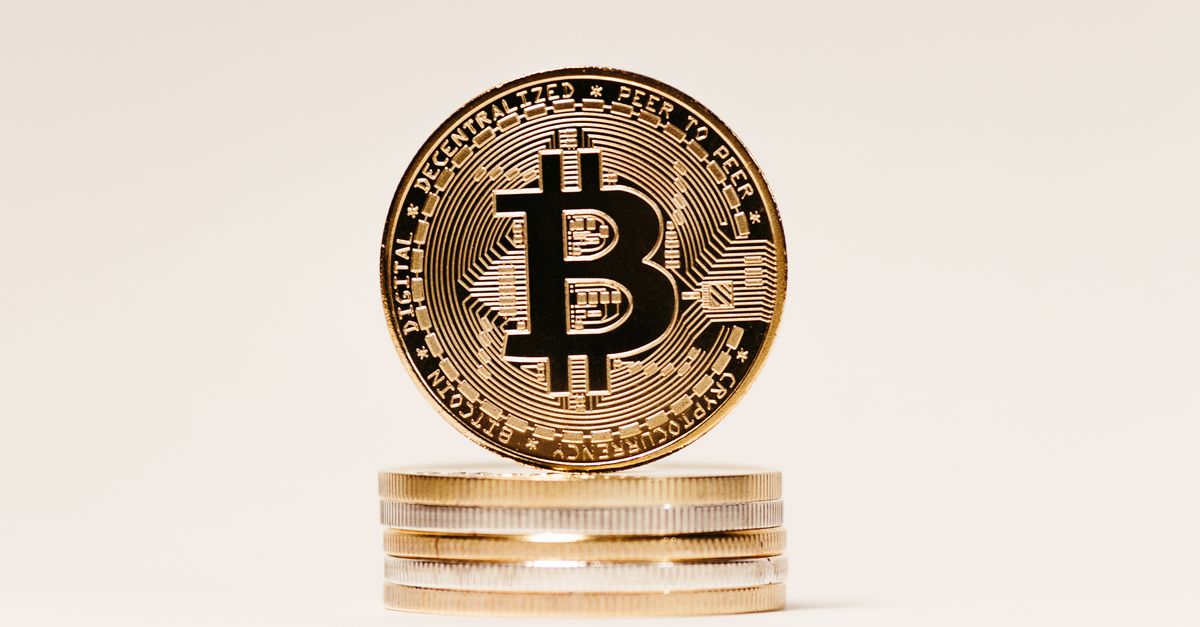
Photo by Jonathan Borba on Pexels
Executive summary
According to reports from Cointelegraph, US President Donald Trump announced on Truth Social that a memorandum of understanding (MoU) to end hostilities between the US and Iran is scheduled to be signed on Sunday. Trump asserted that the signing would immediately reopen the Strait of Hormuz to global shipping. Pakistan, acting as a mediator in the negotiations, supported this timeline, with Prime Minister Shehbaz Sharif stating that a finalization was likely within 24 hours. However, Iranian Foreign Ministry spokesperson Esmaeil Baghaei contradicted the immediate timeline, stating to state media that while a deal could be signed "in the coming days," it would not occur on Sunday.
The geopolitical conflict and the associated naval blockade of the Strait of Hormuz have choked approximately 20% of the world's supply of liquefied natural gas and oil. This disruption has kept global energy prices high, fueling inflation concerns and weighing heavily on risk-on assets. At the time of reporting, Bitcoin was trading at $64,491, up 1.5% over a 24-hour period, amid a backdrop of $315.84 million in weekly net outflows from spot Bitcoin ETFs, marking the fifth consecutive week of negative flows.
Why it matters
This development represents a fundamental macroeconomic catalyst rather than a mere narrative shift. The blockade of the Strait of Hormuz has functioned as a structural tax on global liquidity by keeping energy-driven inflation elevated, which in turn has forced central banks to maintain hawkish interest rate policies. A verified peace treaty and the subsequent reopening of the shipping lanes would likely trigger a sharp decline in crude oil prices, easing inflation expectations and clearing a path for more accommodative monetary policies.
From a capital flows perspective, institutional investors have spent the last five weeks reducing exposure to digital assets, as evidenced by the sustained spot ETF outflows. A resolution to the conflict would remove a significant geopolitical risk premium, likely prompting a reallocation of capital back into high-beta risk assets. In terms of market structure, a confirmed agreement is expected to drive a substantial increase in spot trading volume as sidelined capital redeploys. Conversely, if negotiations stall and the blockade persists, trading volume may remain suppressed on spot exchanges while derivatives open interest shifts short, leaving crypto assets highly vulnerable to macro-driven liquidations.
What to watch — next 72 hours
Tick off what you've already checked — saved on this device.
Bottom line
The most likely outcome is a delayed signing of the US-Iran MoU within the next 7-14 days (50% probability), bypassing Trump's Sunday timeline but avoiding a collapse. The single biggest risk is a total breakdown of talks accompanied by renewed military escalations in the Strait of Hormuz, which would cement high energy prices and hawkish rate expectations. Traders should watch spot Bitcoin ETF flow reversals and global crude oil price reactions as leading indicators of macro liquidity returning to risk assets.
Tagged
Verified coin links
Matched to the highest-ranked CoinGecko listing — always double-check the contract address before trading; impostor tokens reuse real names.
Evidence & Sources
How we reached this analysis — traceable to verifiable data, not model guesswork.
- Primary source
- Cointelegraph
- Verified data
- Historical moves checked against real Coinbase price data (3 events).
- Track record
- Graded against the real market move when we still published forecasts. We stopped — see how we work now. .
- AI confidence
- 75/100 — an estimate, not a guarantee.
- Published
- Jun 14, 2026 · accuracy last checked Jul 15, 2026
For information and analysis only — not financial advice. We are an analysis platform, not a broker, financial adviser, or seller of any asset, and we never tell you to buy or sell. Our scenario probabilities are editorial estimates developed through a combination of data analysis, automated research tools, source verification, and human editorial oversight. They may be incorrect and are not investment recommendations. Crypto is high-risk and you can lose everything — always conduct your own research before making financial decisions.
More analysis
Related analysis

Solana's Rally and Ethereum's Price Push
Solana (SOL) has seen a significant 40% price surge over the past week, reaching levels not seen since January. Ethereum (ETH) briefly surpassed $2,500, fueling bullish forecasts. Bitcoin (BTC) remains range-bound, with analysts watching key resistance and support levels.

Bitcoin Holds $80,000 Amidst Broader Market Gains Led by Solana
Bitcoin maintained its position above $80,000 while most other major cryptocurrencies experienced gains over the past 24 hours. Solana notably outperformed, capping a week of substantial growth for many digital assets.

Bitcoin ETF Inflows Moderate Amidst Price Stagnation Under $80K
US spot Bitcoin ETFs saw inflows of $232.1 million on Wednesday, a slowdown from previous days, as Bitcoin held below the $80,000 mark. This moderation occurred despite a generally positive market sentiment, with the Crypto Fear & Greed Index remaining in 'Greed' territory.

New Wallet Opens Large Short Positions on ETH and BTC
A newly created wallet has deposited 5 million USDC into the Hyperliquid derivatives platform. The wallet then opened substantial short positions on both Ether (ETH) and Bitcoin (BTC) using 20x leverage. This move suggests a bearish outlook from this specific market participant.

BlackRock's Dominance in Bitcoin and Ethereum ETF Inflows
BlackRock's Bitcoin and Ethereum ETFs led significant inflows on August 24, with IBIT capturing 62% of Bitcoin ETF demand and ETHA taking 78% of Ethereum ETF demand. This dual dominance highlights the firm's central role in channeling institutional capital into digital assets.

Bitcoin's Rally: What Drives Institutional Demand and Regulatory Hope?
Bitcoin's price surge, driven by $1.9 billion in U.S. ETF inflows, aligns with a weaker dollar, falling bond yields, and White House support for crypto regulation, marking a significant shift in market dynamics.